

Frequently Asked Questions
Practical answers to help beginners choose between keyboards, digital pianos, and acoustic pianos.
Yes, 61 keys are sufficient for learning basic notes, simple chords, and beginner songs. However, as you advance to pieces that span wider octave ranges, you will eventually need an 88-key instrument.
Weighted keys are strongly recommended if your goal is to learn classical piano or build traditional finger strength. However, unweighted or semi-weighted keys are acceptable for casual or budget-conscious beginners.
Digital pianos focus on mimicking the sound, key action, and 88-key layout of acoustic pianos. Keyboards prioritize portability, diverse instrument sounds, rhythms, and compact sizes.
No. Digital pianos reproduce recorded audio samples electronically, so they never go out of tune or require mechanical tuning maintenance like acoustic pianos.
Touch sensitivity lets you control dynamic volume—playing softer when pressing lightly and louder when pressing firmly—which is essential for expressive piano playing.
Yes. A sustain pedal allows notes to ring out after keys are released, which is an integral part of playing almost all intermediate and adult piano music.
Continue Exploring Piano Course Advisor
Explore our other guides to pair your new instrument with effective practice habits and courses.
Sources & References
- Berklee College of Music Gear & Practice Guides — Overview of instrument key requirements and dynamic touch sensitivity.
- National Association of Music Merchants (NAMM) — Technical standards for electronic keyboards, MIDI, and digital pianos.
Editorial note: Equipment suitability depends on individual preference, living space, and personal budget. Always test key feel in person or review return policies before buying.
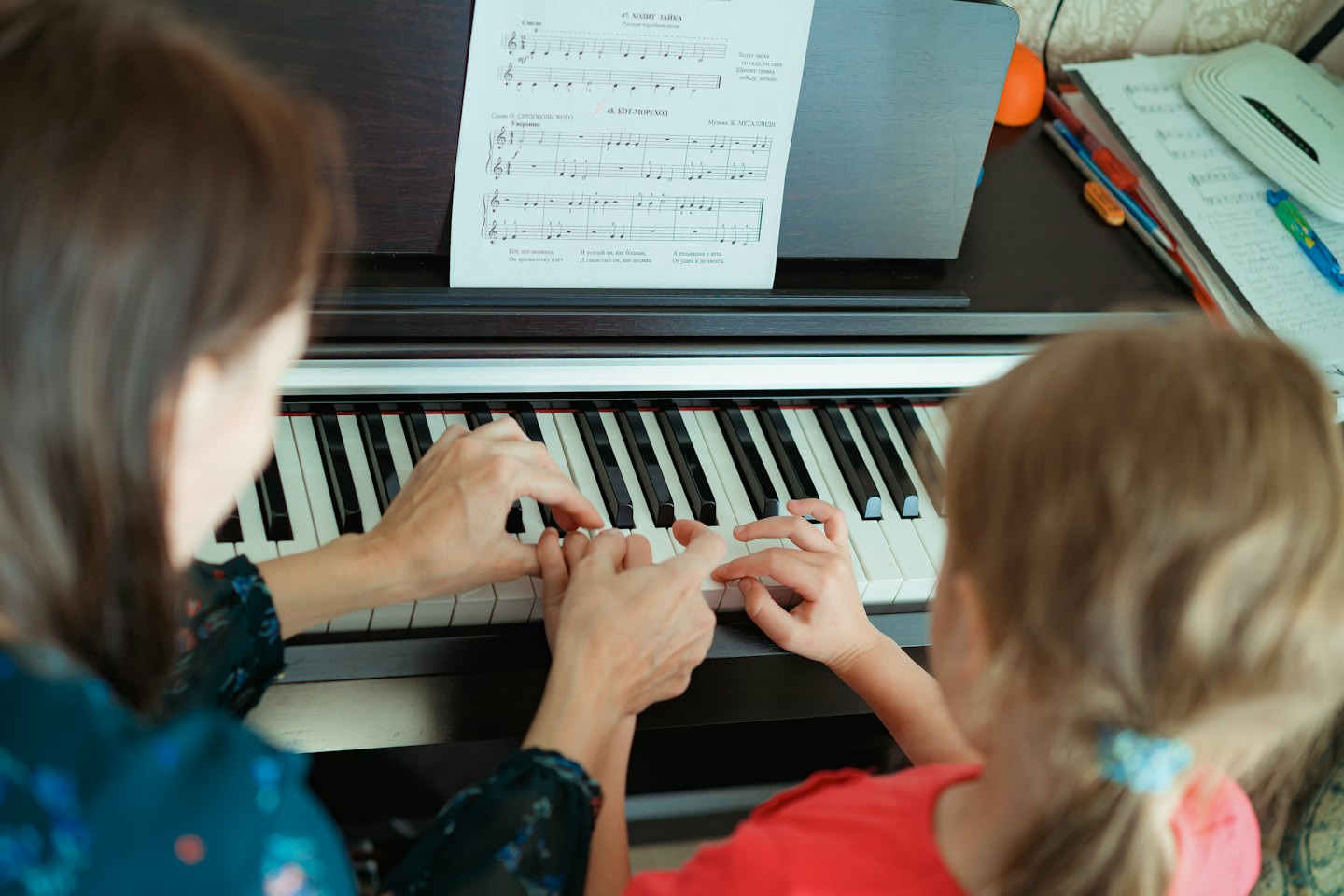
Piano vs. Keyboard: What Should Beginners Choose?
Compare acoustic pianos, digital pianos, and electronic keyboards to find the ideal first instrument for your budget, space, and practice goals.
If you are starting to learn piano, you may be wondering whether you need an acoustic piano, a digital piano, or an electronic keyboard. When evaluating piano vs keyboard for beginners, the right choice depends on your goals, available space, budget, and the style of playing you want to develop.
For many beginners, the single most important factor is having a reliable, accessible instrument that makes regular, enjoyable practice possible.
Editorial note: This comparison focuses on practical considerations for home practice. Choose an option that accommodates your living situation and budget while supporting your musical development.
Understanding the Three Main Instrument Options
Acoustic Piano
Produces sound mechanically through hammers striking metal strings. It offers the traditional playing feel and rich resonance without electronic amplification.
- Authentic touch and physical feedback
- Large, heavy, and non-portable
- Requires regular tuning and room climate care
- Can be challenging for shared living spaces
Digital Piano
Designed to electronically replicate the experience of an acoustic piano. Many models feature 88 weighted or semi-weighted keys with touch sensitivity.
- Authentic key response without tuning costs
- Headphone jack for quiet practice
- Volume control and alternate instrument tones
- Practical footprint for homes and apartments
Electronic Keyboard
Focuses on versatility, sound variety, and extreme portability. Keyboards often include auto-accompaniment, rhythm tracks, and USB/MIDI features.
- Lightweight and highly portable
- Multiple voice sounds and rhythm patterns
- USB/MIDI connectivity for digital audio apps
- Unweighted keys may differ from true piano feel
Key Features Every Beginner Should Consider
When selecting your first instrument, the specifications on the box can be confusing. Here is what technical features like key counts, touch sensitivity, and weighting actually mean for a beginner.
How Many Keys Do You Need?
A traditional piano has 88 keys. Electronic keyboards may offer 61, 76, or 88 keys. For basic beginner studies, a 61-key instrument can be sufficient for early lessons that focus on middle-register melodies and basic chords. However, playing complex classical repertoire or wide-ranging arrangements will eventually require a full 88-key instrument.
What Is Touch Sensitivity?
Touch sensitivity (or velocity sensitivity) means the volume changes based on how firmly or gently you press a key. Playing piano is not simply hitting correct notes; it requires dynamic expressiveness (soft vs. loud). A touch-sensitive instrument allows beginners to develop essential musical dynamics and control.
What About Weighted Keys?
Weighted keys mimic the mechanical resistance of an acoustic piano action. They build finger strength and proper technique, making the transition to traditional pianos seamless. While beneficial, beginners on a strict budget do not need to feel discouraged if they start on semi-weighted or quality unweighted keys.
What Should Beginners Prioritize When Buying?
If you are shopping for your first instrument, evaluate these seven practical checklist items before making a decision:
1. Instrument Reliability
The instrument must function consistently without key stickiness or electronic glitches that disrupt practice.
2. Comfortable Key Size
Full-size keys are essential for building standard finger spacing and traditional playing technique.
3. Touch Response
Ensure the keys respond dynamically to expressive, soft, and loud physical touches.
4. Number of Keys
Choose at least 61 keys for basic starter work, or 88 keys for complete long-term versatility.
5. Headphone Support
Standard headphone connections permit quiet home practice without disturbing household members or neighbors.
6. Sustain Pedal Compatibility
A jack for a sustain pedal is vital for learning legato playing across almost all musical genres.
7. Space & Ergonomics
Select an instrument and stand setup that fits comfortably into your dedicated home practice environment.
Do You Need an Expensive Piano to Start?
The short answer is no. A beginner’s most valuable asset is an instrument that is accessible and invites frequent, uninhibited practice. A modest, reliable digital piano or keyboard that sits ready in your living room is far more beneficial than an expensive acoustic grand that creates logistical or financial stress.
As your technique improves and your musical taste refines, you can always re-evaluate your gear and upgrade to an advanced digital or acoustic instrument.
Online Piano Courses and Your Instrument Selection
Most modern online courses are versatile and compatible with standard digital pianos and keyboards. However, course requirements can differ slightly.
Before enrolling in a program, verify whether the instructor recommends a specific setup, key count, or pedal arrangement. For instance, self-paced programs like Pianoforall are designed to work smoothly on computers, tablets, and mobile devices while teaching practical chord and rhythm structures. While such flexible courses adapt to almost any 61-key or 88-key layout, having a comfortable instrument with touch sensitivity and a sustain pedal will deliver the best learning experience.
The Bottom Line: Choosing the Right Instrument for You
There is no universal instrument that fits every single beginner. Your ultimate decision when choosing between a piano vs keyboard should reflect your individual circumstances:
- Budget limitations: Digital pianos and electronic keyboards offer affordable entry points.
- Available space & noise sensitivity: Digital instruments allow headphone practice and fit compact rooms.
- Musical ambitions: Classical aspirations benefit from 88 weighted keys, whereas casual song accompaniment works well on lighter instruments.
- Need for portability: Compact keyboards can be easily packed or stored when not in use.
If you remain uncertain, a solid starting point is a entry-level digital piano or keyboard featuring full-size, touch-sensitive keys. Combine your instrument with a consistent practice routine to build a strong foundation, and upgrade your equipment as your musical skills evolve.
Frequently Asked Questions
Practical answers to help beginners choose between keyboards, digital pianos, and acoustic pianos.
Yes, 61 keys are sufficient for learning basic notes, simple chords, and beginner songs. However, as you advance to pieces that span wider octave ranges, you will eventually need an 88-key instrument.
Weighted keys are strongly recommended if your goal is to learn classical piano or build traditional finger strength. However, unweighted or semi-weighted keys are acceptable for casual or budget-conscious beginners.
Digital pianos focus on mimicking the sound, key action, and 88-key layout of acoustic pianos. Keyboards prioritize portability, diverse instrument sounds, rhythms, and compact sizes.
No. Digital pianos reproduce recorded audio samples electronically, so they never go out of tune or require mechanical tuning maintenance like acoustic pianos.
Touch sensitivity lets you control dynamic volume—playing softer when pressing lightly and louder when pressing firmly—which is essential for expressive piano playing.
Yes. A sustain pedal allows notes to ring out after keys are released, which is an integral part of playing almost all intermediate and adult piano music.
Continue Exploring Piano Course Advisor
Explore our other guides to pair your new instrument with effective practice habits and courses.
Sources & References
- Berklee College of Music Gear & Practice Guides — Overview of instrument key requirements and dynamic touch sensitivity.
- National Association of Music Merchants (NAMM) — Technical standards for electronic keyboards, MIDI, and digital pianos.
Editorial note: Equipment suitability depends on individual preference, living space, and personal budget. Always test key feel in person or review return policies before buying.
Leave a Reply