
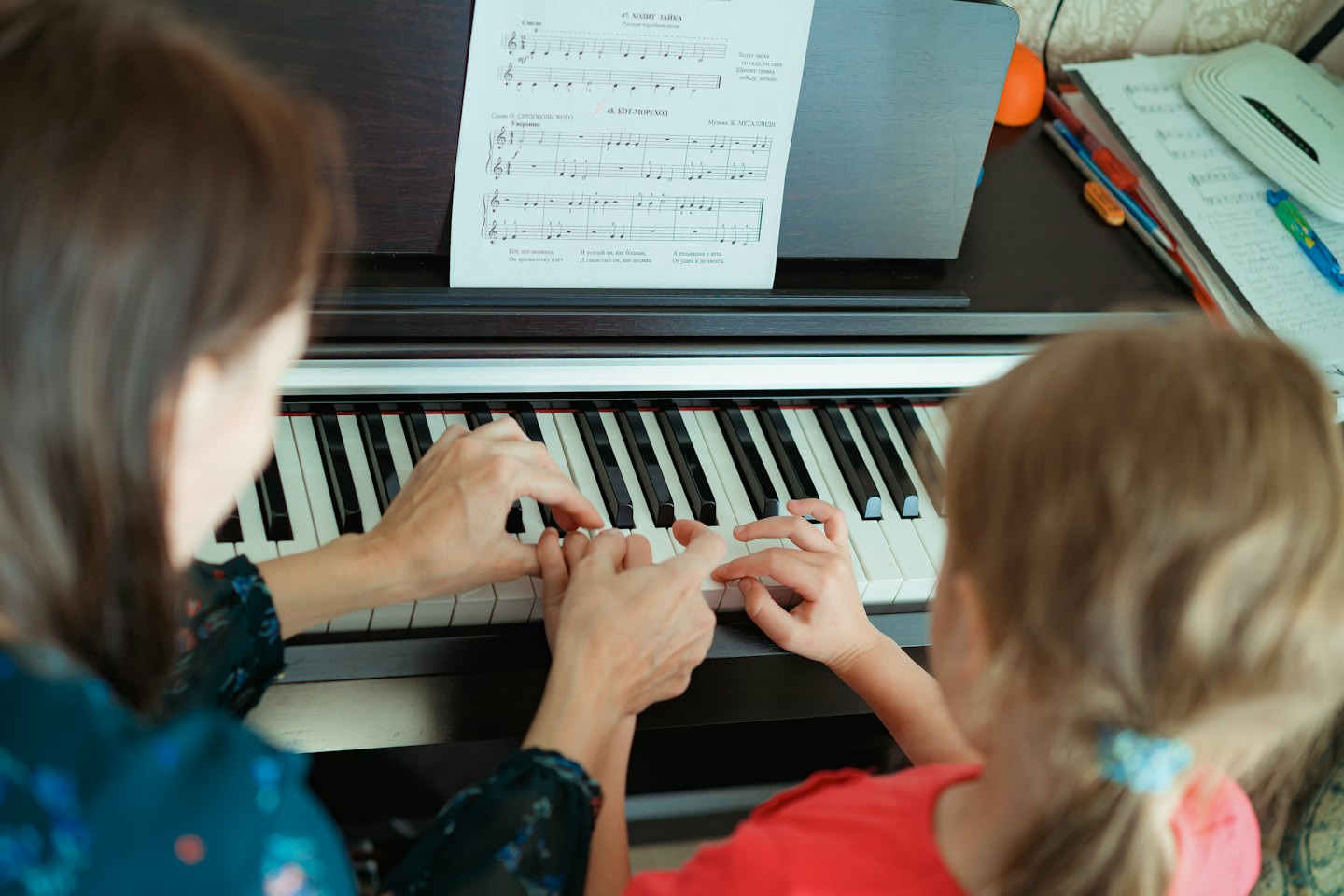
Best Online Piano Courses for Beginners & Adults
Compare online piano learning approaches, course structure, flexibility, materials and value before choosing a program that fits your goals.
Choosing an online piano course is an important decision, especially if you are starting from scratch. Different programs emphasize different skills: some focus on traditional music reading and technique, while others place more emphasis on chords, rhythm, playing by ear, repertoire or flexible self-paced study.
There is no single course that is right for every learner. The purpose of this guide is to explain the factors worth comparing and to take a closer look at Pianoforall as one online option. Our goal is to provide useful information rather than simply label one course as universally “best.”
Affiliate disclosure: Some links on this website are affiliate links. If you purchase through one of these links, we may earn a commission at no additional cost to you. Our editorial assessment is not based solely on affiliate compensation.
How We Compare Online Piano Courses
1 — Learning Approach
Does the course emphasize notation, technique, chords, rhythm, playing by ear, or a combination of approaches?
2 — Lesson Structure
Is there a logical progression so learners know what to study next?
3 — Beginner Friendliness
Can someone with little or no previous piano experience follow the material?
4 — Flexibility
Can students learn according to their own schedule and revisit lessons when needed?
5 — Musical Scope
Does the program develop the skills and musical styles that match the learner’s goals?
6 — Overall Value
What does the course include, and how does its price compare with the structure and resources provided?
Featured Course: Pianoforall
Pianoforall takes a different approach from a traditional notation-first piano curriculum. Its official course materials emphasize chords, rhythm, patterns and playing by ear while also incorporating music reading, video, audio and written resources.
The current official course page lists 568 step-by-step lessons, 25 hours of video, online and offline access, interactive ebooks and printable PDFs, audio lessons and access to the Piano Lounge Community. The current offer lists $49 as a one-time payment, lifetime access and a 60-day money-back guarantee. Course details and pricing can change, so they should be confirmed before purchase.
Quick Overview
| Learning format | Self-paced |
| Main approach | Chords, rhythm, patterns and playing by ear, with music reading |
| Lessons | 568 |
| Video | 25 hours |
| Materials | Interactive ebooks, PDFs and audio |
| Access | Lifetime |
| Payment | One-time payment |
| Guarantee | 60 days |
| Potential fit | Beginners and independent learners interested in a flexible approach |

What We Like About Pianoforall
Pianoforall has several characteristics that may appeal to learners who want a structured course without a fixed weekly class schedule.
Structured Self-Study
The large lesson library provides a defined path instead of requiring learners to assemble a curriculum from unrelated videos.
Chords & Ear Training
The approach gives substantial attention to chords, rhythm, patterns and playing by ear, which can be useful for learners interested in practical playing.
Flexible Access
Self-paced access can be convenient for adults and other learners whose schedules do not fit fixed lesson times.
Take the First Step Toward Your Success Today
This section encourages visitors to take action, such as signing up, subscribing, or learning more about your services. It highlights the benefits of taking the next step and offers clear instructions for engagement.
Things to Consider Before Choosing a Course
No online course is a complete substitute for every form of piano instruction. Consider what you need before choosing a program.
- Personal feedback: self-paced courses generally provide less individualized correction than private lessons.
- Classical goals: learners preparing for formal examinations may want a curriculum built around notation, repertoire, technique, sight-reading and aural skills. ABRSM, for example, includes these areas in its Practical Grades.
- Self-discipline: flexible learning requires you to decide when and how consistently you practice.
- Learning style: a chord- and ear-oriented method may feel very different from a traditional notation-first approach.
For a detailed assessment of Pianoforall’s approach, materials, pricing and limitations, see our full Pianoforall Review.
Take the First Step Toward Your Success Today
This section encourages visitors to take action, such as signing up, subscribing, or learning more about your services. It highlights the benefits of taking the next step and offers clear instructions for engagement.
Which Type of Piano Course Is Right for You?
Traditional & Classical Focus
Look for strong notation, technique, structured repertoire, sight-reading and aural training if formal classical development is your priority.
Flexible Independent Learning
If your priority is studying independently, compare lesson structure, flexibility, practice materials and the course’s teaching approach.
Pop, Chords & Accompaniment
Look for courses that develop chord vocabulary, rhythm, accompaniment and practical playing in the styles you enjoy.
Frequently Asked Questions
Here are a few practical questions to consider when comparing online piano courses.
Yes. The official course information is designed around step-by-step lessons and states that previous piano experience is not required. Whether it fits you depends on your goals and preferred learning style.
Yes. The current offer is designed for independent, self-paced study and includes lifetime access.
No. The current official offer is presented as a one-time payment with lifetime access and no recurring subscription.
The current official offer lists the main course at $49 as a one-time payment. Pricing and promotions can change.
Yes. The current official offer includes a 60-day money-back guarantee.
A self-paced course can provide structured study without regular private lessons, but it does not offer the same individualized, real-time feedback as a teacher. The right choice depends on your goals and need for personal guidance.
Yes. Chords, rhythm, patterns and playing by ear are central parts of the stated approach, alongside progressively introduced music reading.
It can be a practical option for adults who value flexible, independent study. Adults seeking ongoing one-to-one correction or a formal classical pathway may prefer a different learning format.
Explore More Piano Learning Resources
Continue exploring Piano Course Advisor before choosing an online piano learning program.