
Frequently Asked Questions
Common questions about learning piano without reading sheet music.
Yes! Many pianists play songs using chord charts, lead sheets, or ear training techniques without reading traditional staff notation.
Like learning a language, reading sheet music takes time and practice, but basic note reading on the grand staff can be learned relatively quickly with consistent study.
It depends on your goal. Adults looking to play popular songs right away often find starting with chords more rewarding, while classical enthusiasts should begin with notation.
While some people pick it up naturally, playing by ear is a skill that can be systematically trained through ear-training exercises and chord recognition.
Sight-reading is the ability to play a piece of sheet music correctly on your first attempt without prior practice.
Yes, most structured online courses include dedicated lessons, interactive tools, and exercises for sight-reading and notation comprehension.
Continue Exploring Piano Course Advisor
Check out our detailed guides to find the learning format that matches your musical preferences.
Sources & References
- Berklee College of Music — Ear-training, pitch, and keyboard development curriculums.
- ABRSM Examination Framework — Sight-reading and aural skills integration in graded piano study.
Editorial note: Deciding whether to start with sheet music or ear training depends on personal preference and learning style; neither approach excludes learning the other later on.
Do You Need to Read Sheet Music to Learn Piano?
Explore whether reading sheet music is essential for piano beginners, how ear training works, and how to choose the best pathway for your goals.
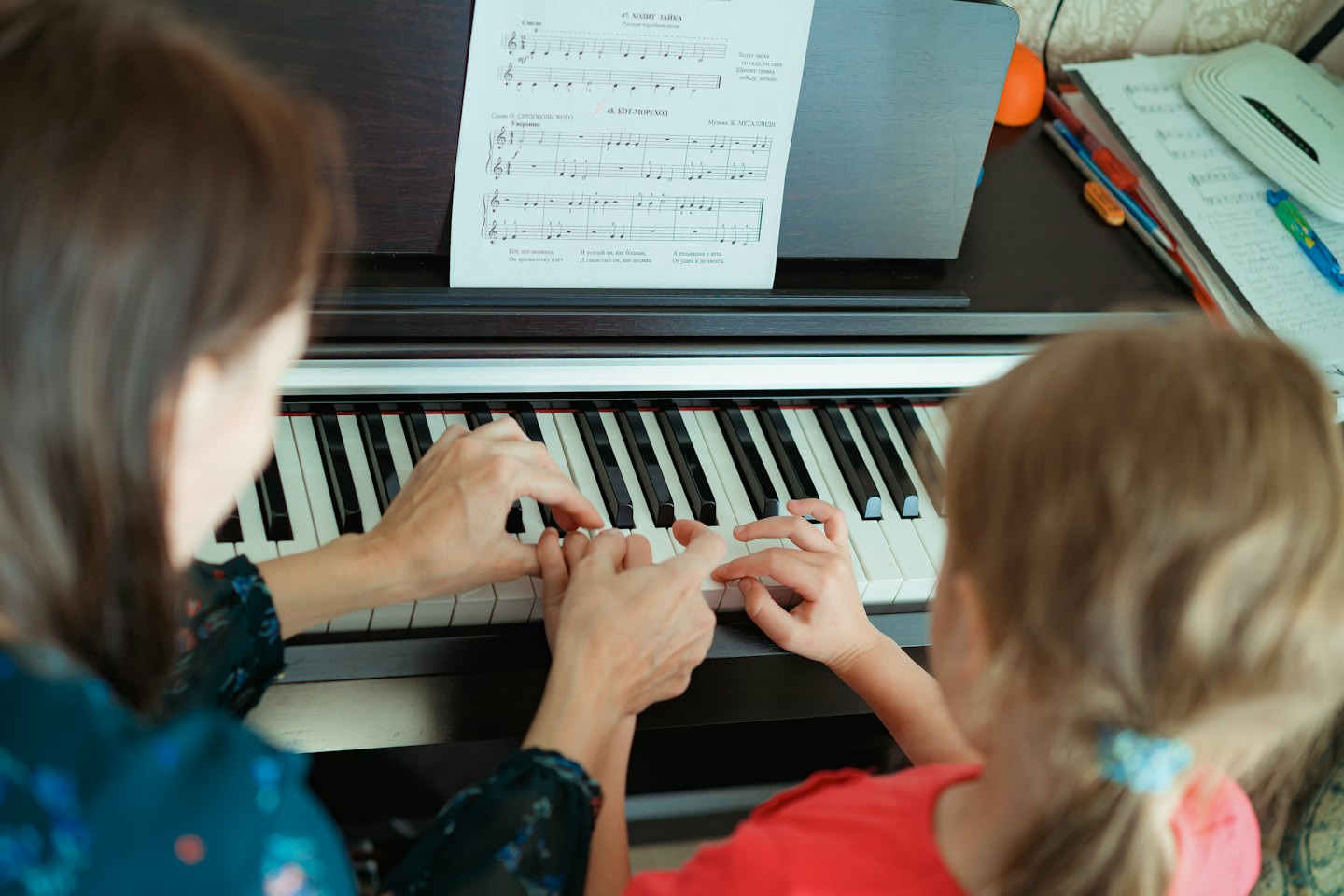
The short answer is no—reading sheet music is not the only way to start learning piano. However, music reading is an exceptionally valuable skill, and whether you should prioritize it right away depends on your individual goals.
If you want to play classical repertoire, participate in formal music education, or work toward graded examinations, reading music becomes increasingly important. Conversely, if your primary goal is to accompany songs, play chords, improvise, or learn music by ear, you may choose to develop other practical skills alongside or before formal notation.
Editorial note: Learning approaches vary based on musical styles. Whether you start with notation, chords, or ear training, every method can contribute to your broader musical growth.
What Is Sheet Music?
A Visual Map for Music
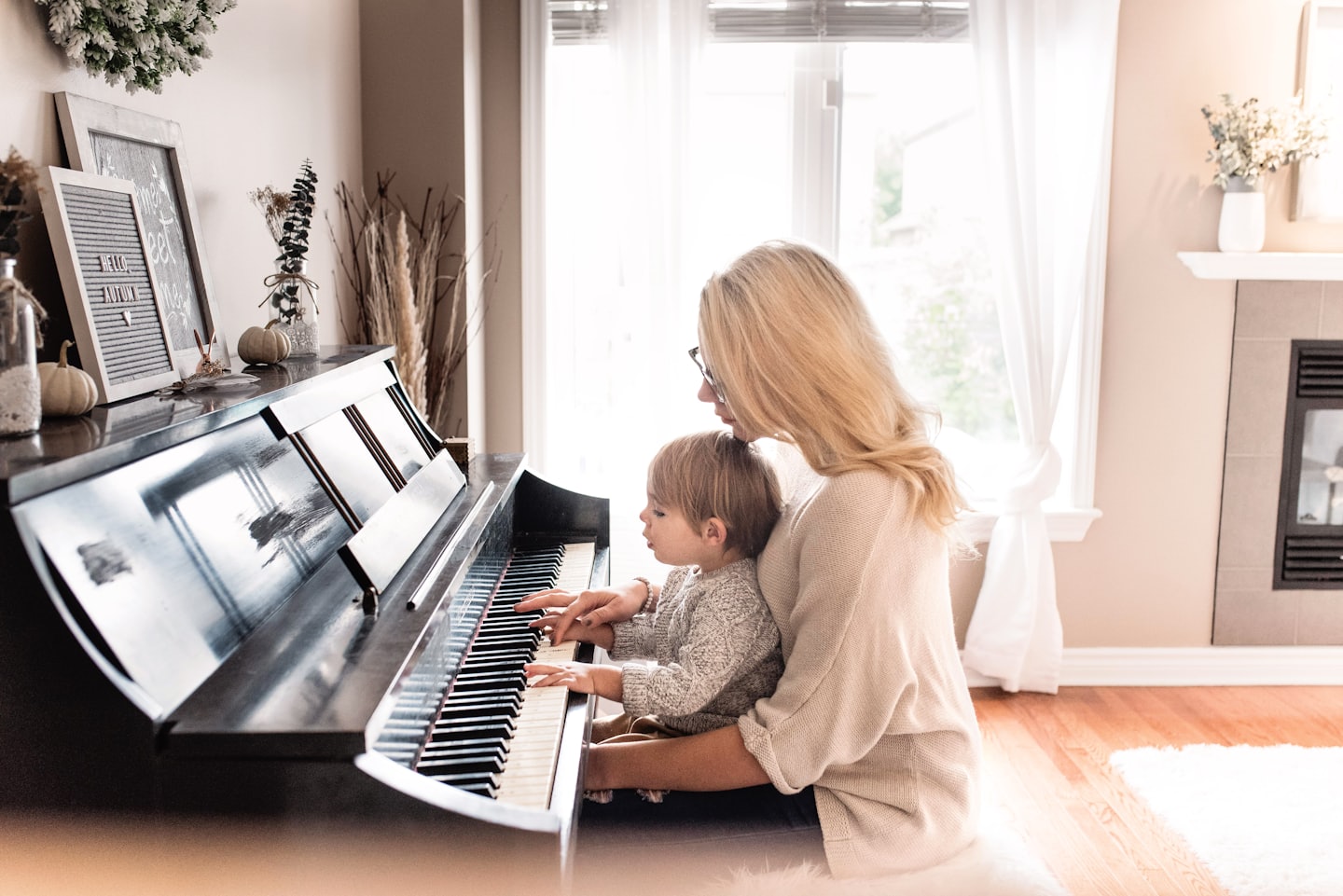
Sheet music provides a clear visual representation of musical ideas, communicating key elements such as pitch, rhythm, duration, dynamics, articulation, and overall song structure.
The Grand Staff
For piano, music is written using the grand staff—combining the treble clef (right hand) and bass clef (left hand). Learning this system allows musicians to explore centuries of written repertoire.
Instant Musical Access
Reading notation eliminates the need to memorize every note by ear before playing it, opening up thousands of compositions to learn independently.
Why Learn to Read Music?
Formal piano education frequently integrates reading with overall musicianship. Established examination boards, such as the ABRSM (Associated Board of the Royal Schools of Music), include sight-reading and aural tests alongside performance repertoire, scales, and arpeggios.
Similarly, institutional curriculums like Berklee’s foundational keyboard courses combine reading fluency, rhythm, pitch recognition, and notation into standard keyboard development. Reading music gives you immediate independence, allowing you to learn new pieces without needing someone to demonstrate them first.
Can You Learn Piano by Ear?
Yes, absolutely. Playing by ear involves listening to music and reproducing the sounds directly at the keyboard without relying entirely on written paper score.
Melodies & Intervals
Recognizing how notes move up or down in pitches to replicate familiar tunes smoothly.
Chords & Progressions
Identifying chord qualities (major vs. minor) and common harmonic movements in popular music.
Rhythm Patterns
Internalizing rhythmic feel and grooves naturally through active listening practice.
Professional institutions like Berklee feature ear-training as a core part of their curriculum, helping students identify melodies, intervals, and chord progressions directly by ear.
Reading Music and Playing by Ear Are Complementary Skills
It is best not to view notation and playing by ear as opposing methods. Instead, consider them complementary components of complete musicianship:
- Reading sheet music: Helps you understand, analyze, and accurately reproduce written compositions.
- Ear training: Deepens your ability to recognize and internalize what you hear.
- Chords & harmony: Teach you how songs are built, making improvisation and accompaniment intuitive.
- Physical technique: Gives you the mechanical flexibility to execute what you see or hear.
A well-rounded pianist gradually develops several of these abilities in parallel over time.
Should Beginners Learn to Read Music Immediately?
There is no universal answer for every student. Some piano instructors introduce notation right from session one, while alternative pedagogical methods begin with visual chord shapes, listening exercises, or simple songs before introducing the grand staff.
When to Prioritize Notation Early
If your dream is to master classical pieces, take formal grade exams, or perform written scores accurately, learning sheet music early is highly recommended.
When to Focus on Chords First
If you want to play pop accompaniments, improvise, or write your own songs quickly, starting with chord patterns and ear training can build faster initial momentum.
How Pianoforall Approaches Music Reading
Different courses adopt unique strategies. For example, Pianoforall takes a distinct approach compared to traditional notation-first piano methods.
Complete beginners do not need prior musical experience or the ability to read sheet music to get started. The course introduces rhythm, chords, and playing by ear first, before progressively introducing formal sheet music reading once the student is already comfortable at the keys.
This sequence appeals to adult learners who find traditional sight-reading intimidating at the beginning. However, someone whose primary objective is formal classical performance or grade exams may prefer a traditional notation-centered curriculum.
The Bottom Line: Do You Need Sheet Music to Learn Piano?
When asking whether you need to read sheet music to learn piano, remember that you do not have to choose strictly between “reading music” and “playing by ear.” They are valuable skills that strengthen one another.
Choose your path based on what you want to achieve at the piano:
- For classical performance or formal studies: Prioritize staff notation, sight-reading, and structured technique.
- For songwriting, accompaniment, or pop music: Emphasize chord knowledge, rhythmic patterns, and ear training first.
For most learners, combining both approaches over time provides the ultimate flexibility. For more guidance on starting out, explore our articles on learning piano online and choosing between a piano and a keyboard.
Frequently Asked Questions
Common questions about learning piano without reading sheet music.
Yes! Many pianists play songs using chord charts, lead sheets, or ear training techniques without reading traditional staff notation.
Like learning a language, reading sheet music takes time and practice, but basic note reading on the grand staff can be learned relatively quickly with consistent study.
It depends on your goal. Adults looking to play popular songs right away often find starting with chords more rewarding, while classical enthusiasts should begin with notation.
While some people pick it up naturally, playing by ear is a skill that can be systematically trained through ear-training exercises and chord recognition.
Sight-reading is the ability to play a piece of sheet music correctly on your first attempt without prior practice.
Yes, most structured online courses include dedicated lessons, interactive tools, and exercises for sight-reading and notation comprehension.
Continue Exploring Piano Course Advisor
Check out our detailed guides to find the learning format that matches your musical preferences.
Sources & References
- Berklee College of Music — Ear-training, pitch, and keyboard development curriculums.
- ABRSM Examination Framework — Sight-reading and aural skills integration in graded piano study.
Editorial note: Deciding whether to start with sheet music or ear training depends on personal preference and learning style; neither approach excludes learning the other later on.
Leave a Reply