
How Often Should You Practice Piano? A Practical Guide for Beginners
Discover how often to practice piano, how long beginner sessions should last, and how building a consistent, goal-oriented routine leads to steady progress.
One of the most common questions from new piano students is how often should you practice piano. There is no single number of minutes that works for everyone. A better approach is to build a routine that is consistent, focused, and realistic.
For most beginners, a shorter practice session that actually happens is much more useful than an ambitious schedule that quickly becomes difficult to maintain.
Editorial note: This guide provides realistic practice recommendations based on musical pedagogy. Adjust these suggestions according to your personal schedule, physical comfort, and learning goals.
Is Daily Piano Practice Necessary?
Regular Contact
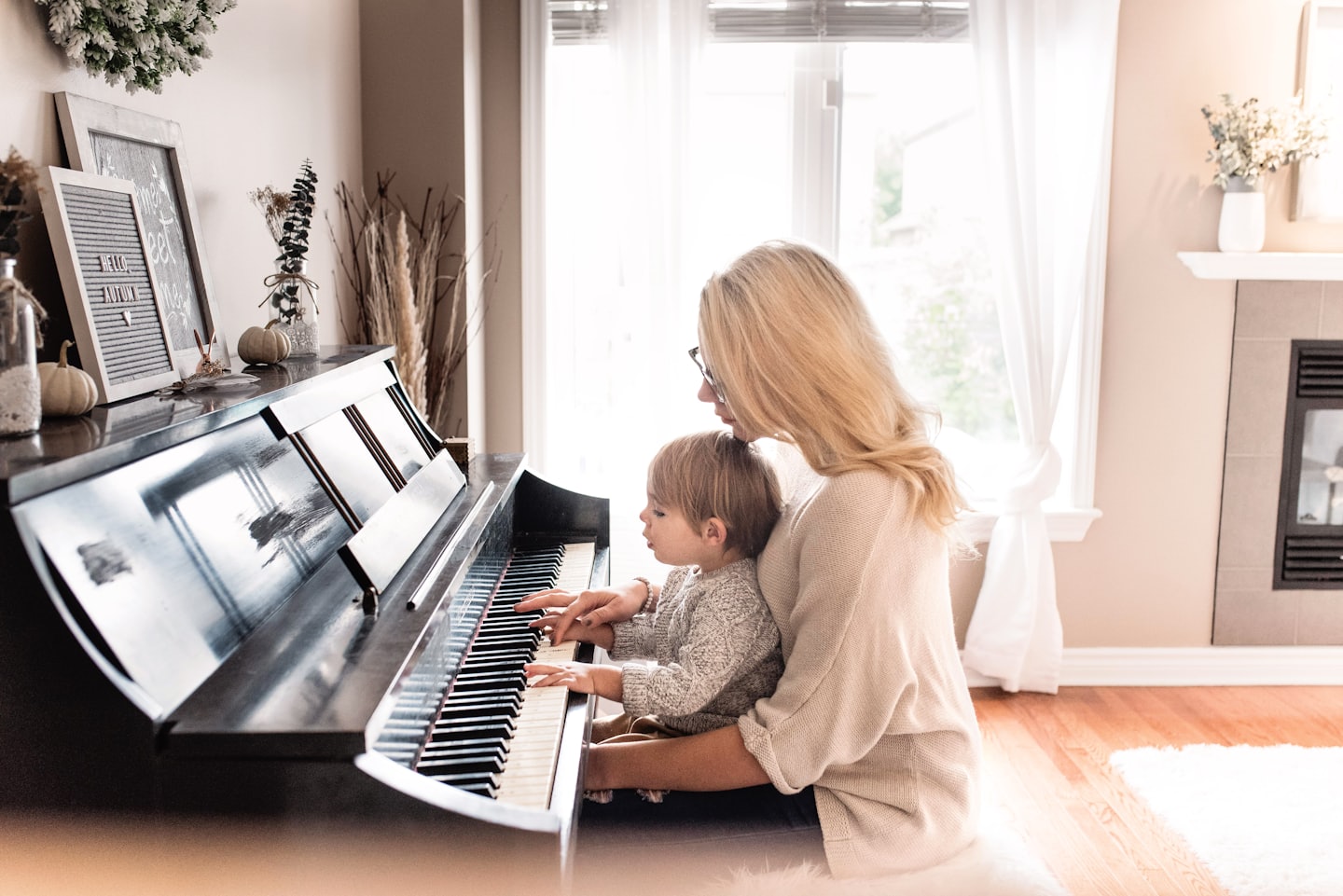
Daily practice can be helpful, but the exact schedule depends on the learner. What matters most is maintaining regular, frequent contact with the instrument.
Reinforcing Motor Skills
When you return to the piano frequently, you give yourself more opportunities to reinforce muscle memory, coordination, rhythm, patterns, and repertoire.
Goal-Oriented Approach
Educational references such as Berklee’s practice materials emphasize organized and goal-oriented practice rather than simply measuring session quality by time alone.
How Long Should a Beginner Practice Piano?
A beginner might start with approximately 15 to 30 focused minutes per session. However, that is not a universal rule. Some learners will be comfortable practicing longer, while others may benefit more from shorter, higher-intensity sessions.
The important principle is to avoid treating a specific number of minutes as a absolute requirement for success. A useful practice session should have a clear purpose rather than just clocking hours.
1. Warm-Up
Spend a few minutes getting comfortable at the keyboard using simple finger patterns, scales, or previously learned exercises.
2. Fundamentals
Work on something specific, such as finger coordination, rhythm drills, chord shape transitions, or sight-reading.
3. Repertoire & Review
Spend time applying skills to an actual piece, then finish by revisiting familiar music to reinforce progress.
Practice With a Specific Goal
To maximize efficiency, shift your mindset from measuring time to completing specific objectives. Setting concise targets makes every session measurable and rewarding.
Time-Based Mindset (Vague)
“I need to sit and practice piano for 30 minutes today.”
This approach often leads to unfocused playing, distraction, and repetitive mistakes because there is no defined outcome.
Goal-Based Mindset (Effective)
“Today I want to play this chord progression three times without stopping.”
The second goal is clear and easy to evaluate. Berklee faculty similarly emphasize choosing a specific objective before sitting down at the keyboard.
Short Sessions Can Still Be Highly Effective
You do not need a large block of uninterrupted time every single day. Berklee’s practice materials highlight short practice sessions, emphasizing that brief periods of focused work contribute significantly to musical development over time.
This is especially relevant to adult beginners with busy schedules. If you only have 15 minutes available today, you can still make meaningful progress on one specific skill. The alternative—skipping practice entirely because you lack a full hour—stalls growth and interrupts momentum.
A Simple Weekly Piano Practice Routine
Having a structured daily topic keeps practice varied and engaging. Here is an example of how you can organize a balanced weekly routine:
Monday — Technique
Work on hand coordination, finger independence, and basic scale or arpeggio patterns.
Tuesday — Chords
Practice a small group of chord shapes and focus on smooth transitions between them.
Wednesday — Repertoire
Focus your attention on learning a specific section of a song or piece you enjoy.
Thursday — Reading
Practice identifying notes on the staff, rhythm patterns, or sight-reading simple lines.
Friday — Ear Training
Listen closely, identify intervals, and try reproducing simple musical patterns by ear.
Saturday — Review
Combine the skills learned throughout the week and review older pieces in your repertoire.
Sunday — Optional Playing
Play freely for fun without worrying about strict drills or structured exercises.
Note: This plan is an illustrative framework. Adapt your schedule to match your personal interests and primary musical goals.
Should You Practice Longer as You Improve?
As your musical goals become more ambitious, your practice duration will naturally expand. A student preparing for a formal performance or examination will generally have different practice demands than someone playing piano as a relaxing hobby.
Formal examination frameworks, such as the ABRSM (Associated Board of the Royal Schools of Music) piano pathway, feature increasingly demanding technical requirements involving extensive repertoire, scales, arpeggios, sight-reading, and aural tests. Advanced goals naturally require more structured and lengthy sessions.
Avoid Practicing Through Physical Pain
Practice should never mean ignoring physical discomfort or strain. Keyboard posture and ergonomic movements are crucial elements of long-term learning.
Berklee piano faculty strongly emphasize paying attention to physical feelings while practicing. Focus on using relaxed, efficient hand movements rather than unnecessary tension or force. If you experience persistent wrist, arm, or back pain, stop practicing immediately and consult a qualified piano teacher or health professional.
The Bottom Line: Building a Sustainable Piano Practice Routine
When considering how often you should practice piano, remember that the best schedule is the one you can consistently maintain. Start with a manageable routine, assign every practice session a clear objective, and gradually increase complexity as your skills grow.
Consistency builds progress far better than sporadic marathon sessions. For more practical advice on getting started as an adult learner, read our guide on learning piano as an adult or explore whether learning online works for your goals.
Frequently Asked Questions
Answers to common questions about piano practice frequency, session lengths, and building habits.
Most beginners progress well practicing 4 to 6 days per week for 15 to 30 minutes per session. Consistency is more important than long, infrequent sessions.
Yes! A focused 15-minute practice session with a single clear goal is far more beneficial for beginners than skipping practice entirely.
Yes. Practicing through physical fatigue or pain can cause strain injuries. Always take short breaks and stop if you feel discomfort.
Daily practice helps build muscle memory faster, but practicing every other day consistently is still effective for adult beginners balancing busy lives.
Focus on posture, comfortably identifying key positions, working through a basic warm-up, and trying a short single-hand pattern or basic chord progression.
Set achievable daily goals, practice songs you enjoy, vary your routine using weekly focus topics, and track your progress regularly.
Continue Exploring Piano Course Advisor
Use our comprehensive guides to optimize your learning routine and compare piano courses.
Sources & References
- Berklee College of Music Practice Resources — Practice principles and goal-setting strategies.
- ABRSM Piano Syllabi & Examination Pathways — Guidelines on technical progression and practice goals.
Editorial note: Practice recommendations reflect established educational principles, but individual progress varies depending on prior experience, technique, and consistency.

Leave a Reply