
Learn Piano as an Adult: A Practical Beginner’s Guide
Learning piano as an adult can be rewarding, but it also comes with practical questions: what should you learn first, how often should you practice, and which learning method fits your routine? This guide brings those questions together with realistic, beginner-friendly advice.

Choosing the Right Instrument
Compare the practical differences between acoustic pianos, digital pianos, and keyboards, including space, sound, features, and budget considerations.

Online Piano Learning
Understand the main options for learning piano online, including structured courses, apps, video lessons, and instructor-led instruction.

Setting Realistic Goals
Set useful short-term goals without expecting instant results. Progress is easier to sustain when your goals match your available practice time.

Building an Effective Practice Routine
Use focused practice sessions to work on technique, rhythm, chords, reading, and repertoire instead of simply trying to accumulate more minutes at the piano. For a more detailed look at building a sustainable routine, see our guide to how often you should practice piano.
A Practical Path for Adult Beginners
There is no single route to learning piano. A practical starting point is to define your goals, choose an instrument, establish a manageable routine, and select learning resources that match the way you want to play. If you are considering a structured self-paced course, you can also read our full Pianoforall review.

Step One: Define Your Goals
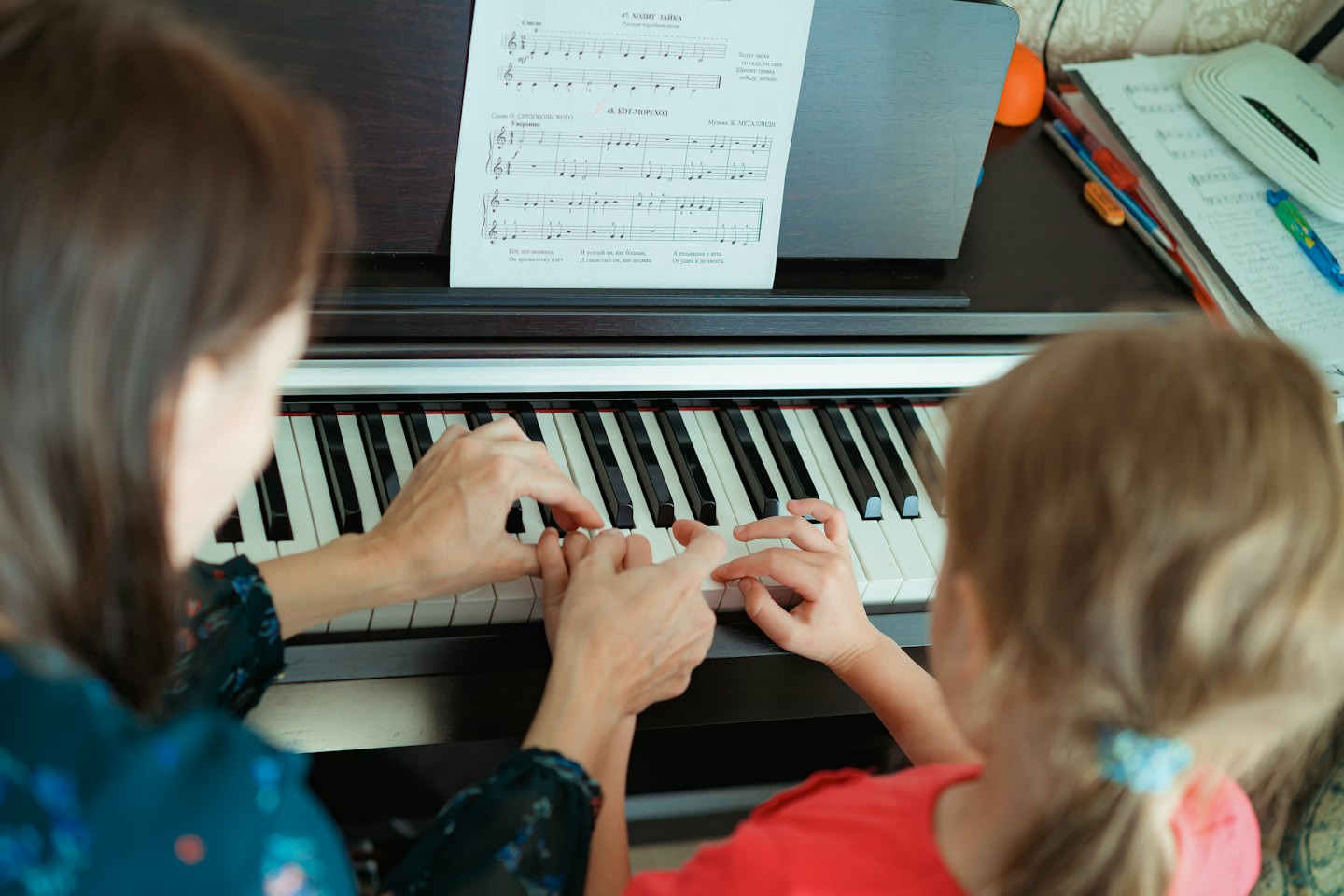
Decide what you want to play and why you are learning. Your goals can guide the type of lessons, repertoire, and practice routine you choose.

Step Two: Build a Routine
Choose a practice schedule you can maintain consistently. Short, focused sessions can be more practical than an ambitious routine you cannot sustain.

Step Three: Choose Your Learning Method
Compare self-paced courses, apps, online lessons, and private instruction based on your goals, budget, schedule, and need for feedback. You can also compare online piano courses to see how different course formats approach beginner learning.
Essential Piano Learning Guides
Explore practical topics that can help you make better decisions about practice, instruments, online learning, and realistic progress. Browse the Piano Course Advisor blog for additional beginner-focused guides.
Setting Realistic Goals
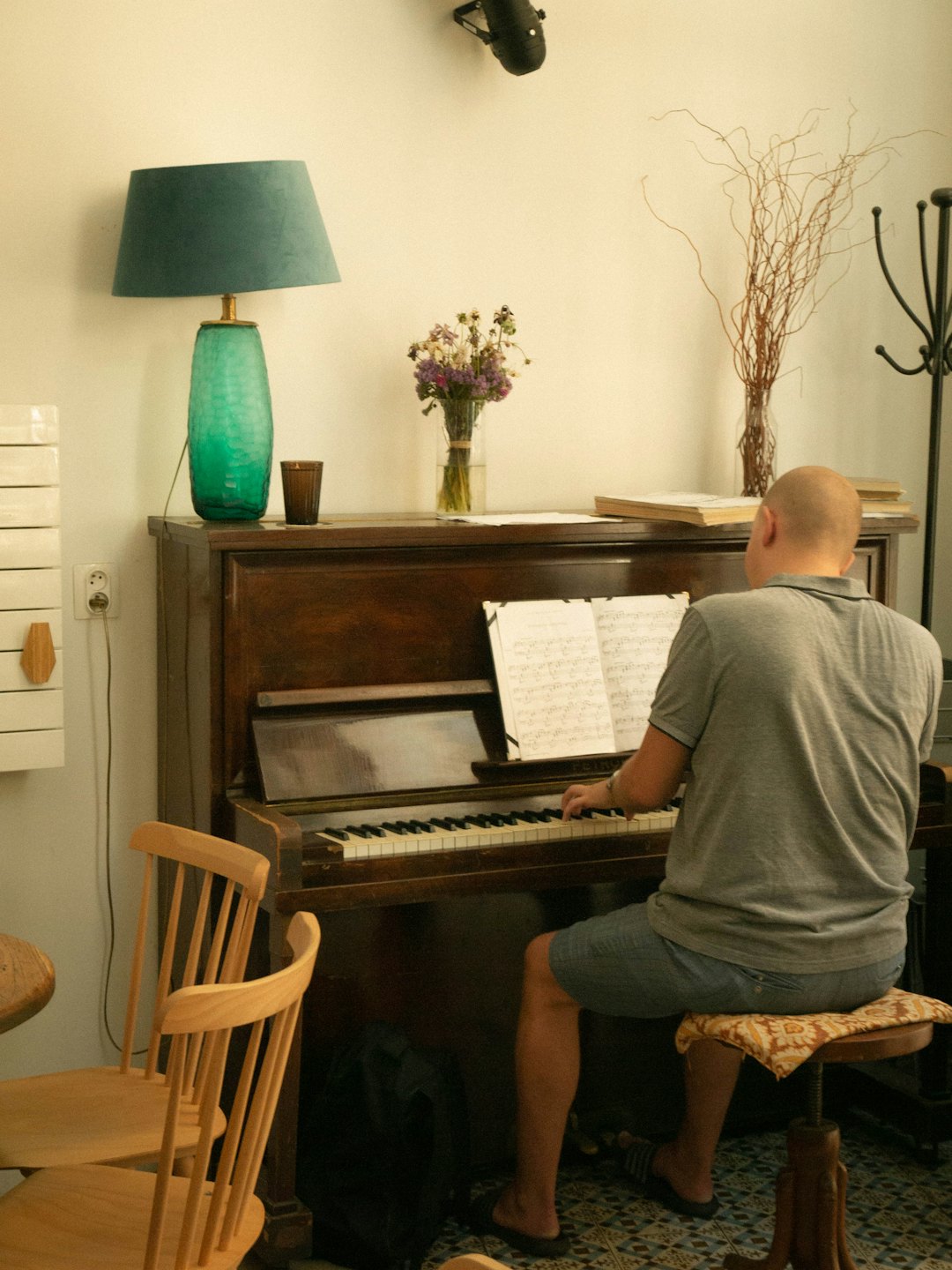
Learn how to define practical goals and measure progress without relying on unrealistic timelines or promises.
Online Piano Learning
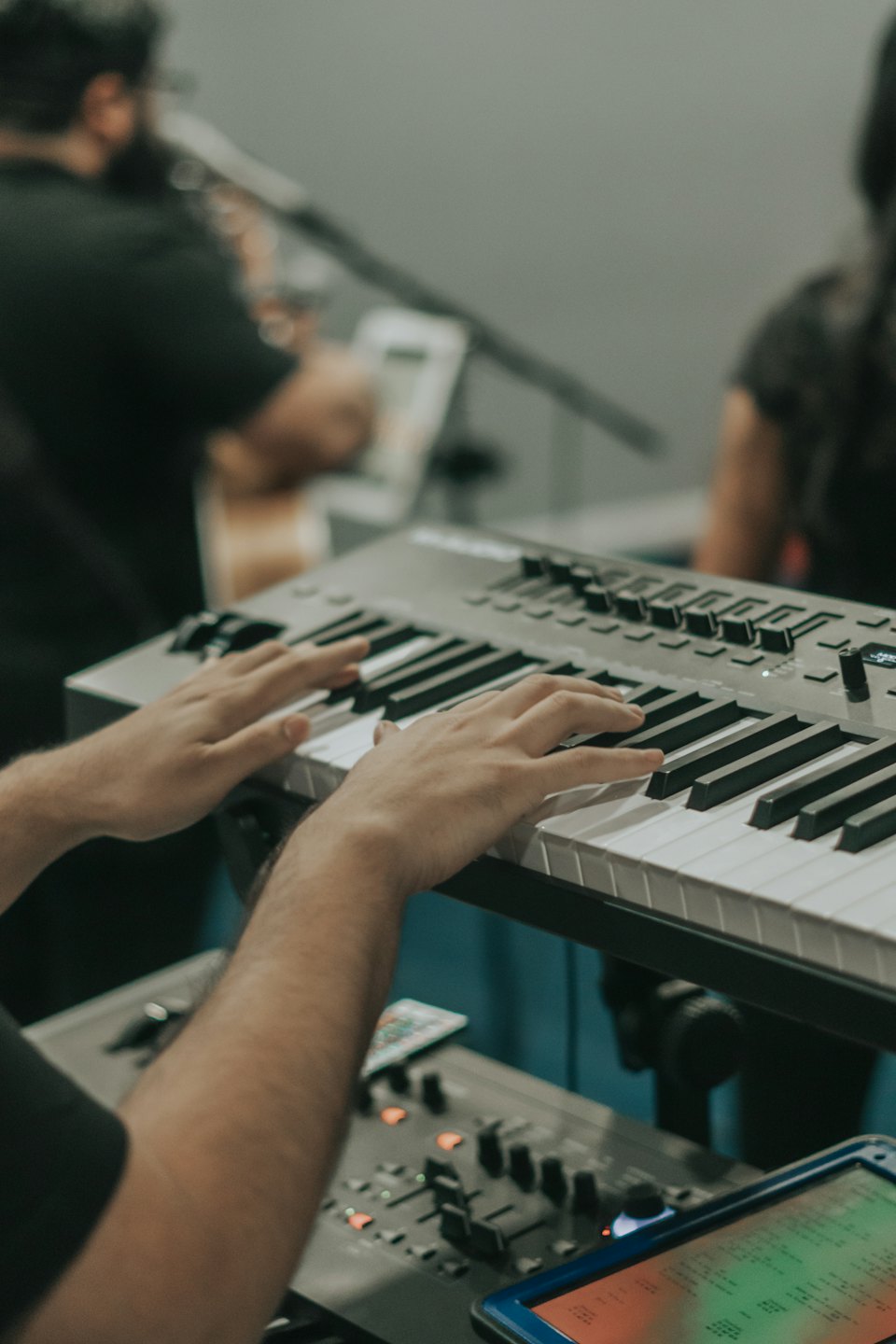
Understand the differences between self-paced courses, piano apps, online instruction, and private teachers.
Choosing a Piano or Keyboard
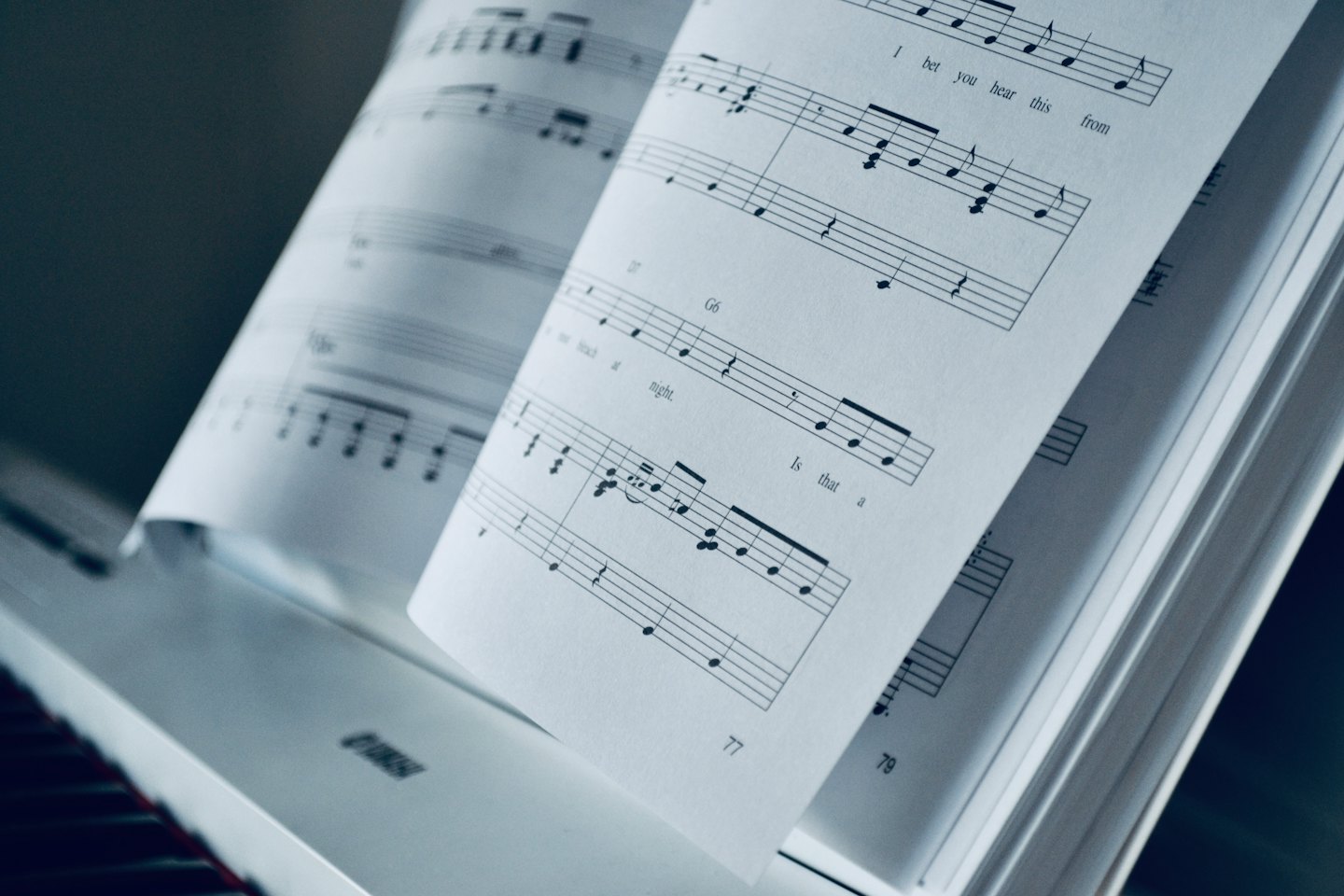
Learn what to consider when choosing an acoustic piano, digital piano, or keyboard for your space, budget, and playing goals.
Frequently Asked Questions About Learning Piano
Find straightforward answers to common questions about starting piano as an adult, choosing an instrument, practicing effectively, and learning online.

Is it too late to learn piano as an adult?
No. Adults can begin learning piano at many different stages of life. The more useful question is which goals, practice routine, and learning method fit your circumstances.
What instrument should I choose?
The right choice depends on your space, budget, desired sound and feel, and whether features such as headphones, portability, or digital controls matter to you.
Can you learn piano online?
Online learning can be useful when the format matches your goals and you can practice consistently. Different formats provide different levels of structure, interaction, and feedback. If you are comparing course-based options, start with our guide to online piano courses.
How often should I practice piano?
There is no universal number of minutes that works for everyone. A sustainable routine with focused practice is generally more useful than an unrealistic schedule.
How quickly can I expect to improve?
Progress varies with prior experience, goals, practice quality, consistency, and the skills being developed. Avoid fixed promises about how quickly you will become proficient.
Do I need previous piano experience?
No. This page is written for beginners, including adults who are starting from the beginning. More advanced players may benefit from more specialized resources.

Start Your Piano Learning Journey
Explore practical guides for adult beginners, including practice routines, instrument selection, online learning options, and advice on choosing a piano course.
